


June 26, 2026 · 4 min read
Inside China's Beauty Innovation Stack
Field observations from CiE 2026 in Hangzhou on how Chinese beauty brands connect research, packaging, manufacturing, commerce, and consumer experience.
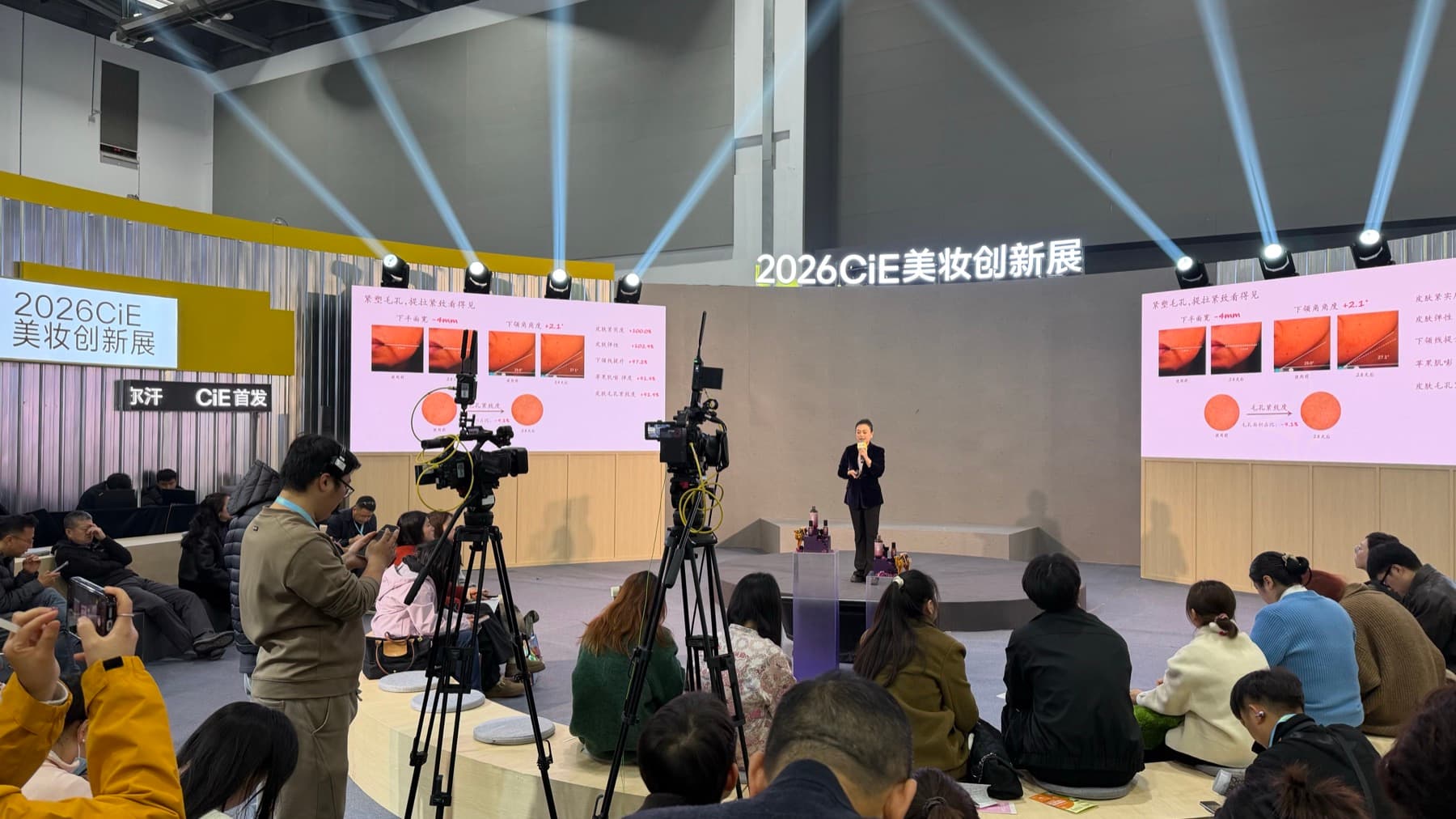
Why a digital product studio studied a beauty expo
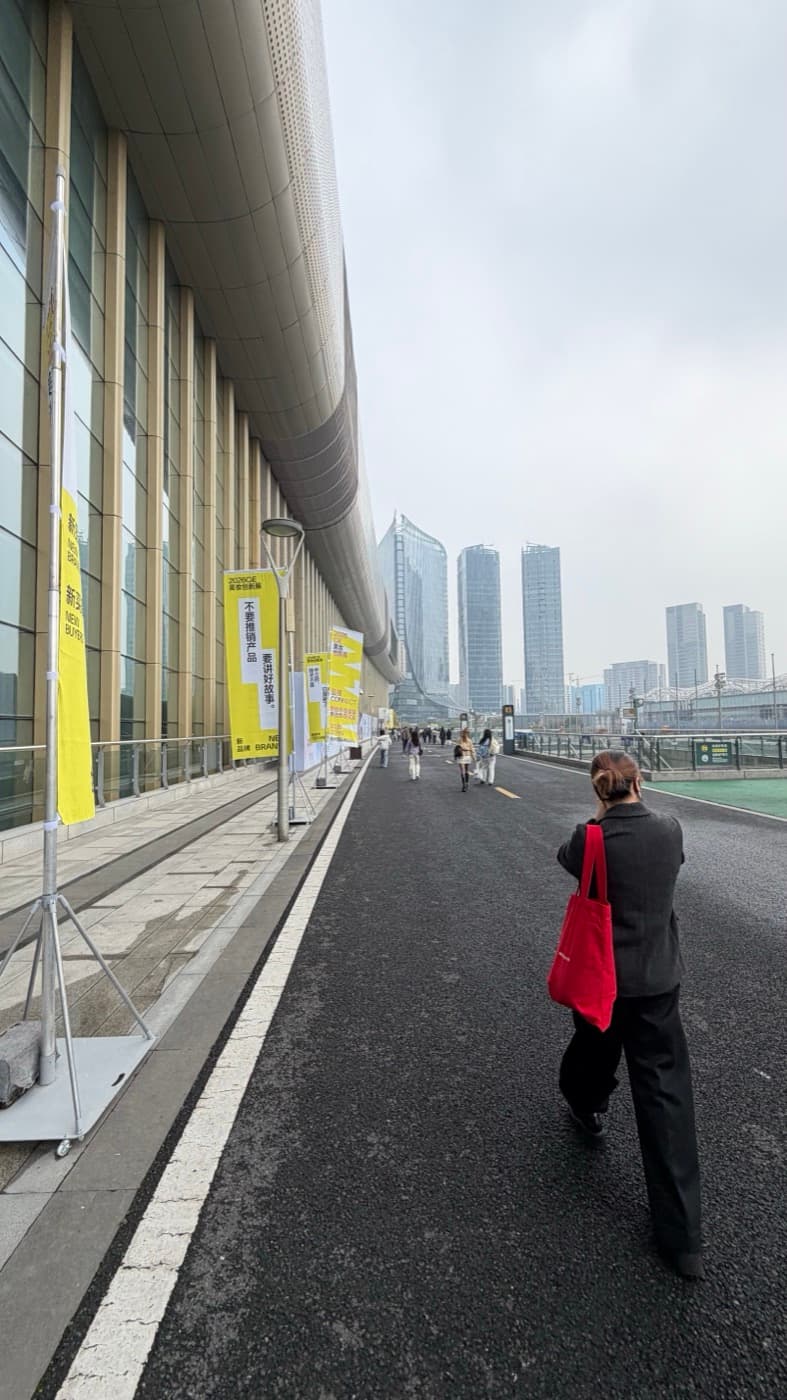
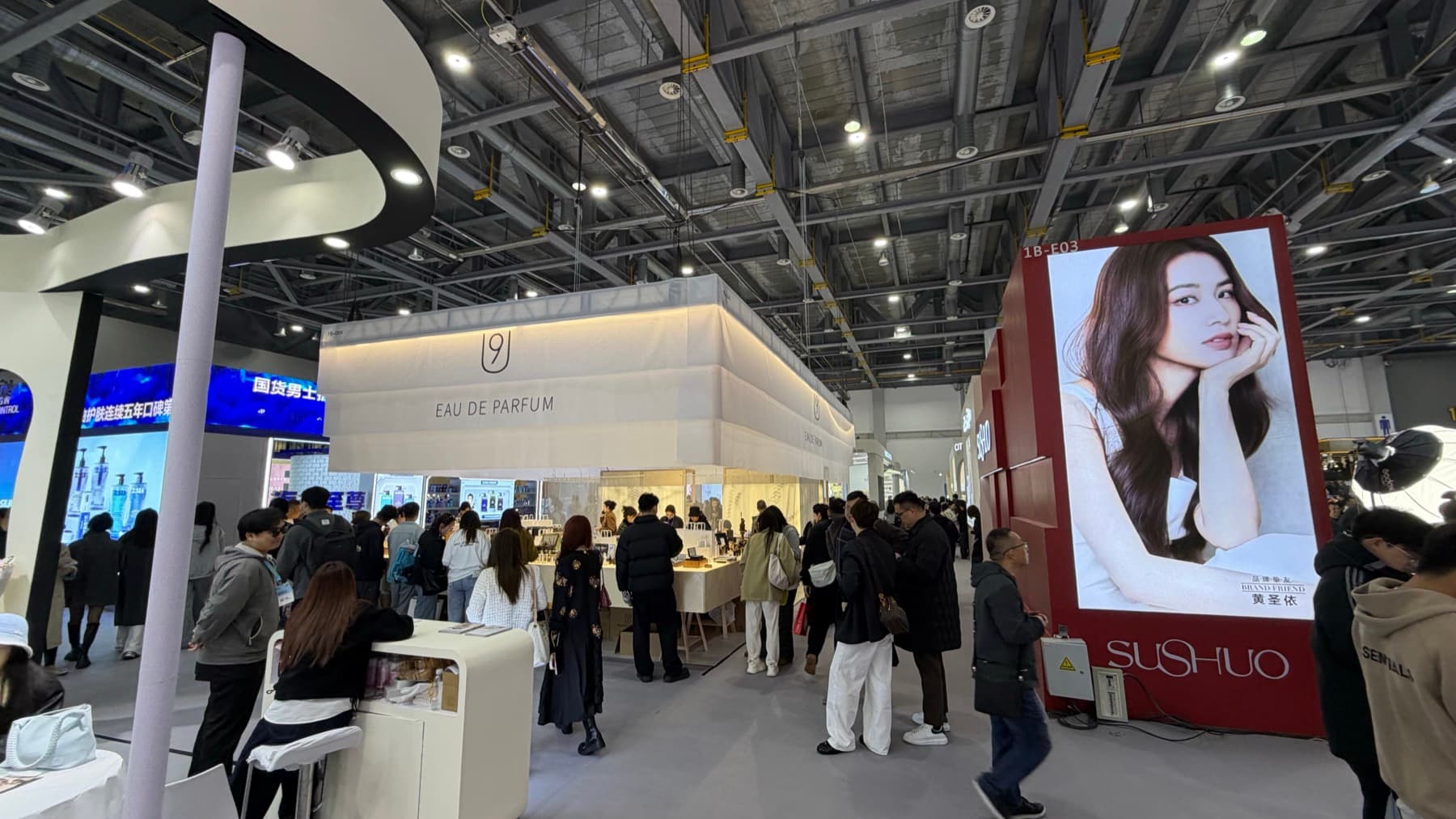
In March 2026, I attended CiE, the Cosmetics Innovation Expo in Hangzhou, as a product designer and market observer rather than as a cosmetics specialist. The useful question was not which brand had the loudest booth. It was how a fast-moving market turns customer signals into products, packaging, commerce, and trust.
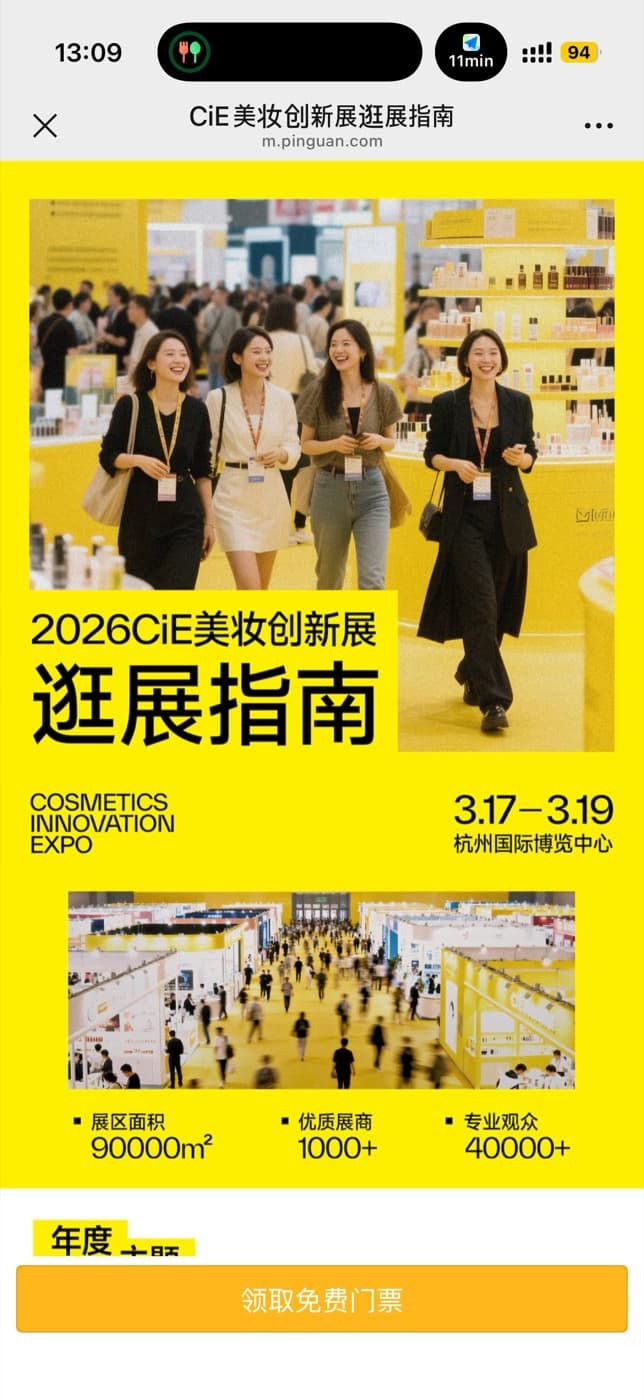
The event data gives the visit a larger frame. According to organizer and industry coverage, CiE 2026 brought together more than 1,000 exhibitors across 90,000 square metres, with reported attendance above 40,000 professionals. Coverage also described more than 900 new formulations or packaging launches and 18 trend topics. Those numbers should be read as reported event metrics, not independently audited results, but they explain why the expo was useful as a market signal.
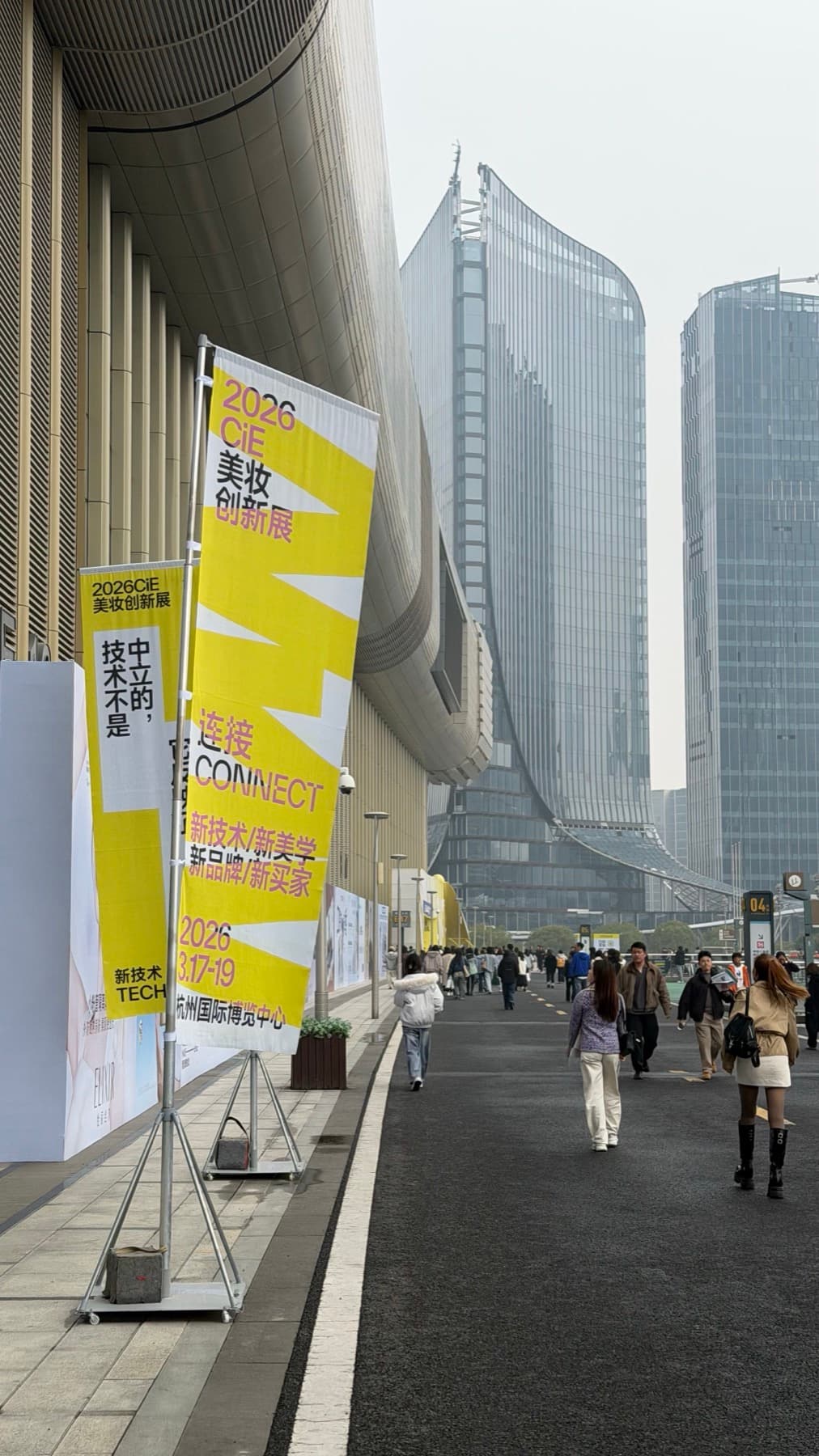

Innovation moves faster when the value chain shares the same room
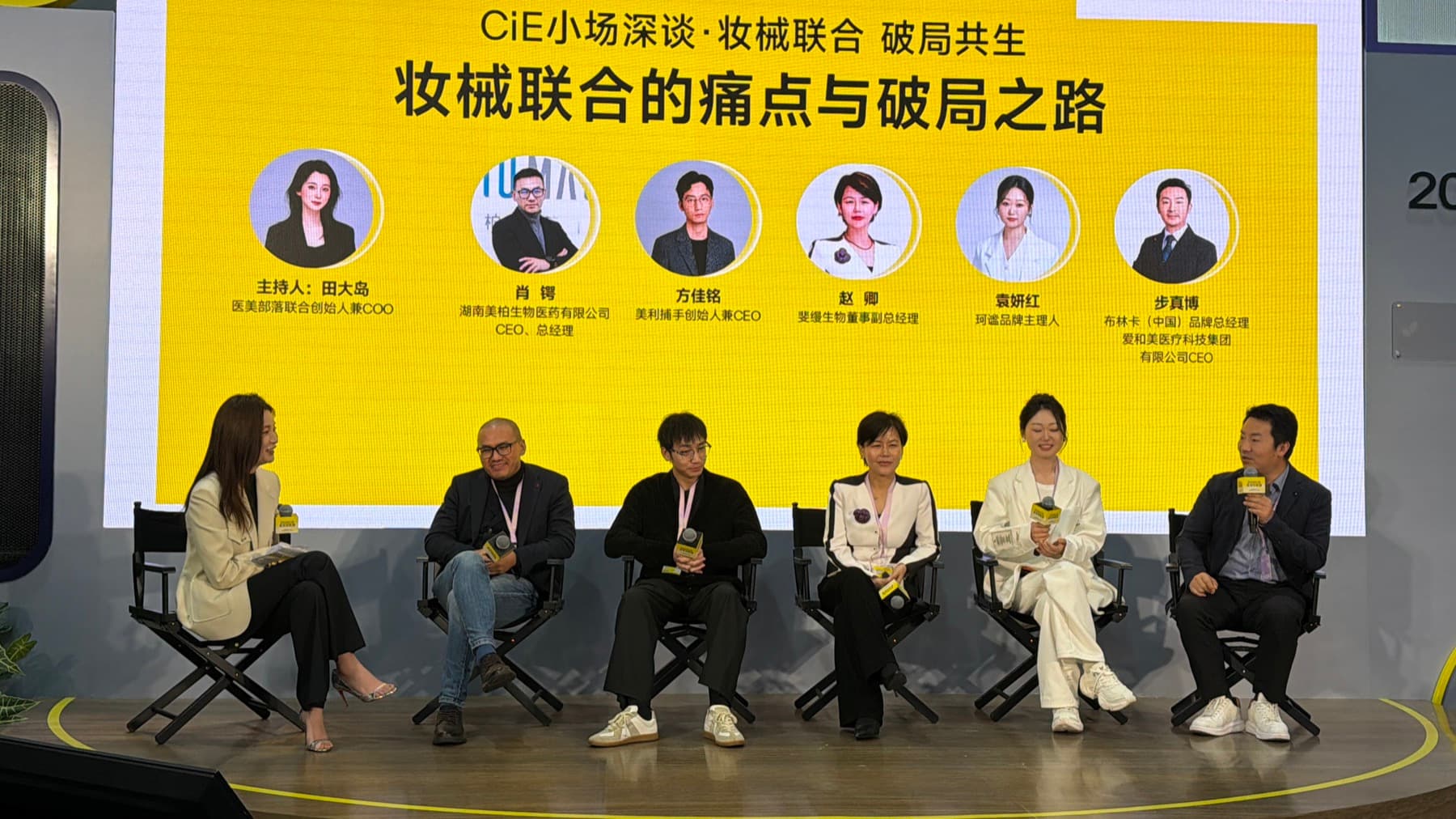
The strongest theme around CiE was connection. Brands, ingredient companies, manufacturers, packaging suppliers, buyers, ecommerce operators, creators, and media were not presented as separate layers. They formed one visible product-development system.
That matters beyond cosmetics. Digital products also fail when research, interface design, engineering, content, analytics, and distribution are treated as separate handoffs. CiE showed the advantage of bringing upstream capability and downstream customer evidence into the same conversation earlier.
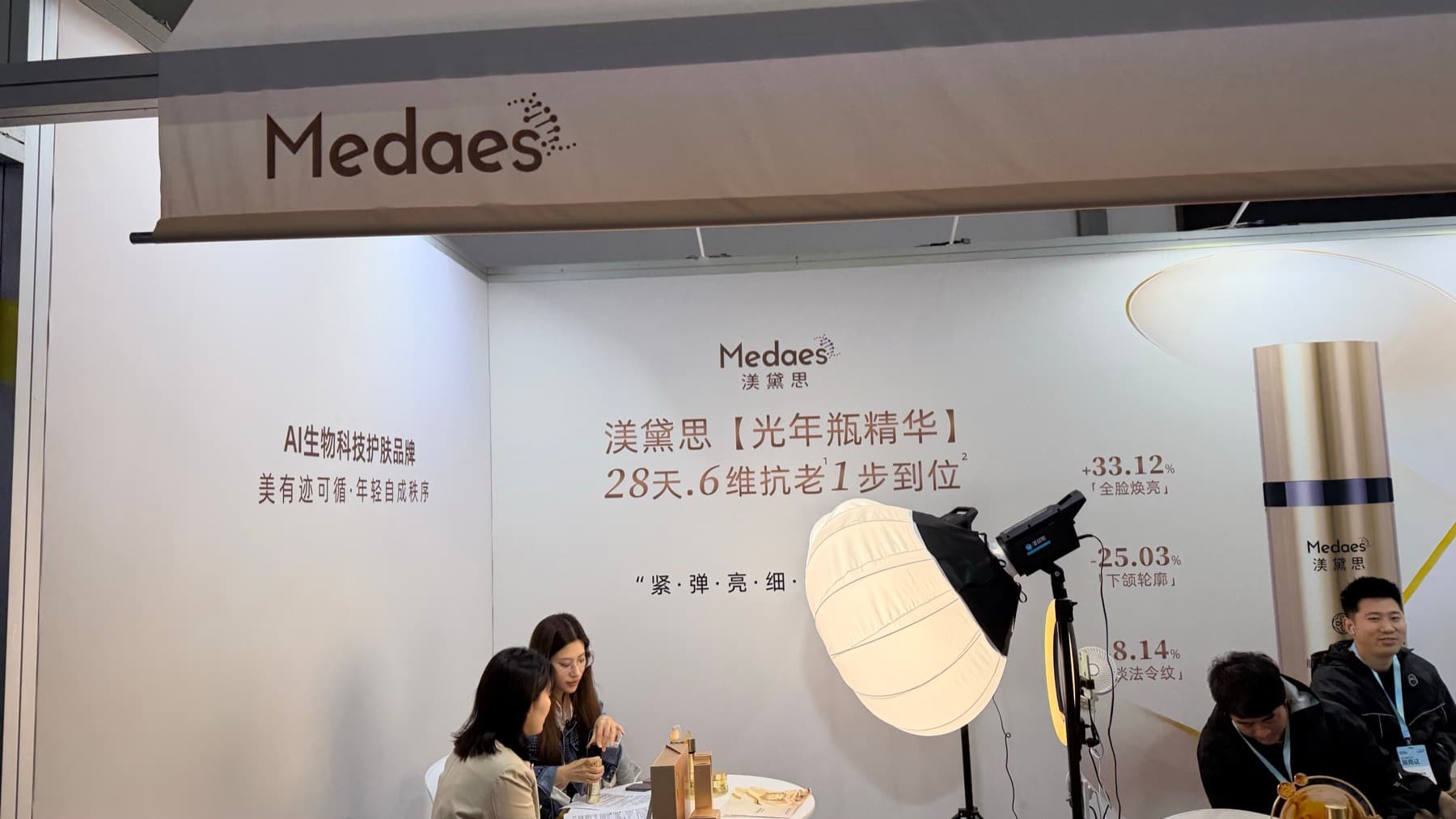
Evidence is becoming part of the interface
Several reports from the event emphasized patents, proprietary ingredients, testing language, delivery mechanisms, and technical demonstrations. These were not only R&D details. They were commercial trust signals, used to help buyers and consumers believe that a product claim had substance behind it.
The digital-design lesson is direct: evidence has little value if people cannot understand it at the decision point. Product pages, recommendation tools, onboarding flows, and AI assistants need claim hierarchy, source labels, comparison support, and plain-language explanations. A patent is not yet a user experience.
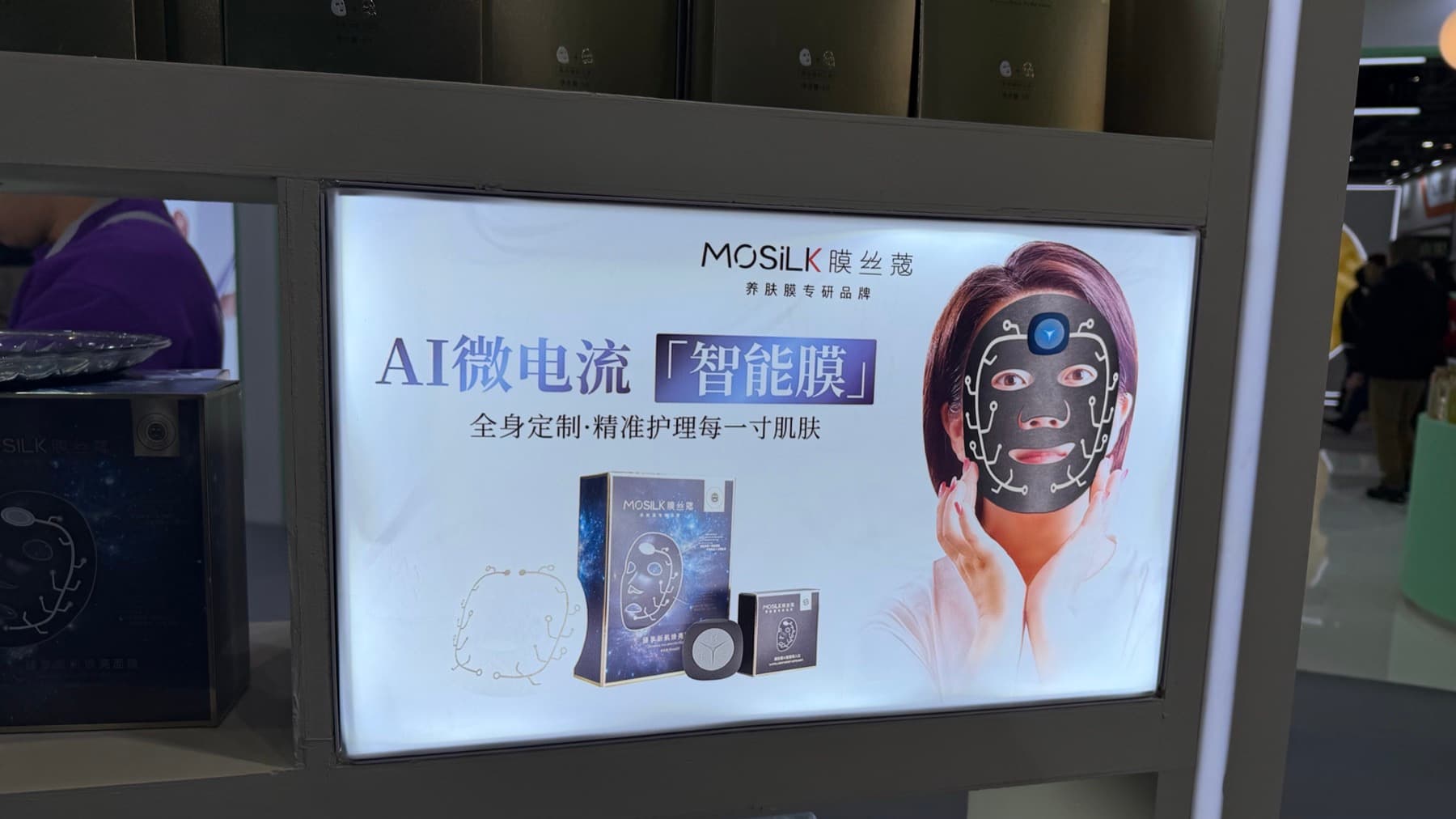
Products are being designed for moments, not averages
The beauty categories discussed around CiE were often highly situational: mature skin, sensitive skin, acne, scalp care, travel, outdoor conditions, post-treatment recovery, male grooming, and other narrow moments of need. The segmentation was less about a generic customer profile and more about a specific problem in a specific context.
That maps cleanly to product strategy. The question is not only who the user is, but what the user is trying to resolve right now. A digital journey can learn from this by adapting onboarding, recommendations, evidence, support, and content density to the user's situation instead of forcing every visitor through the same average path.
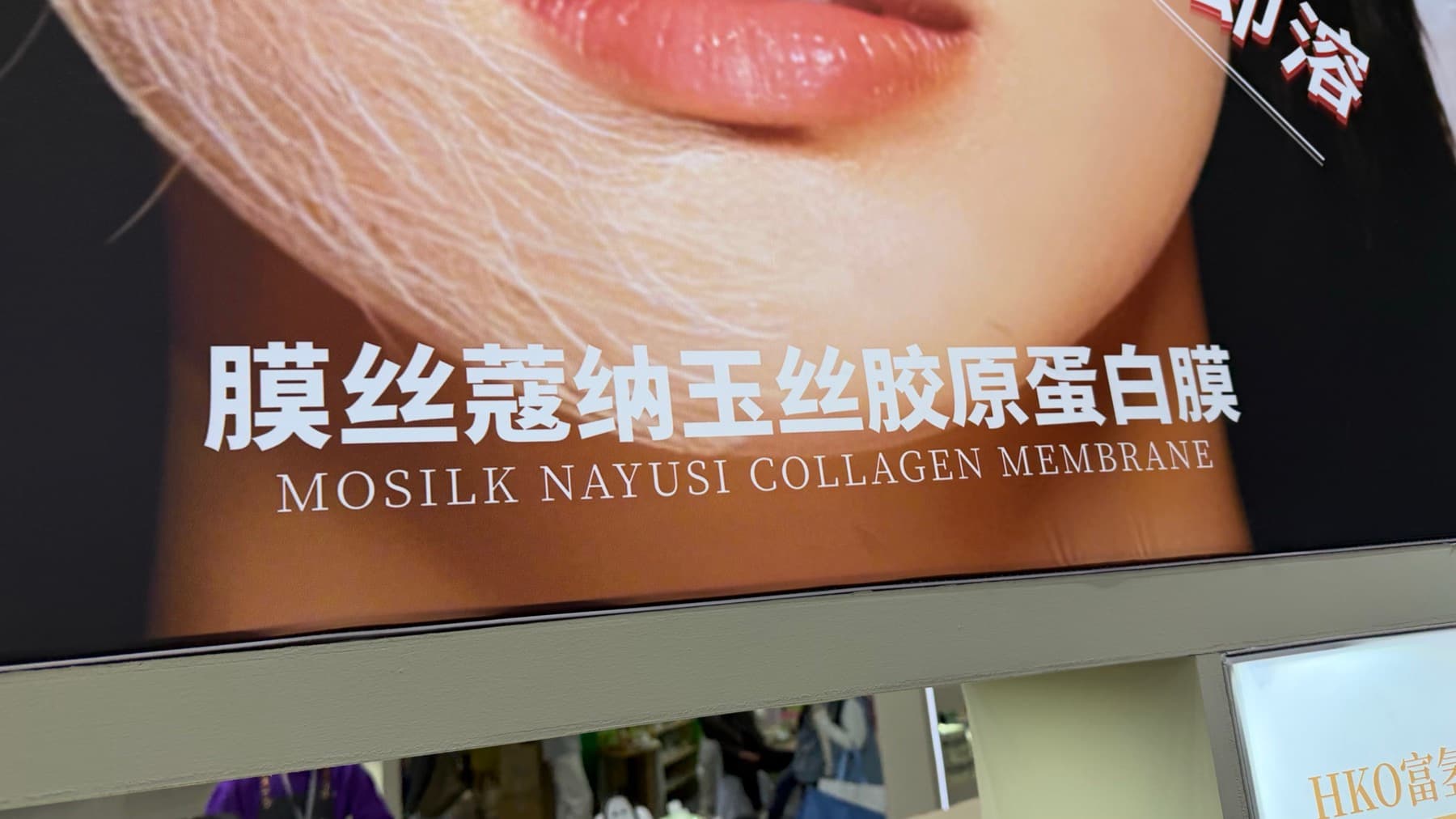
Packaging is physical interaction design
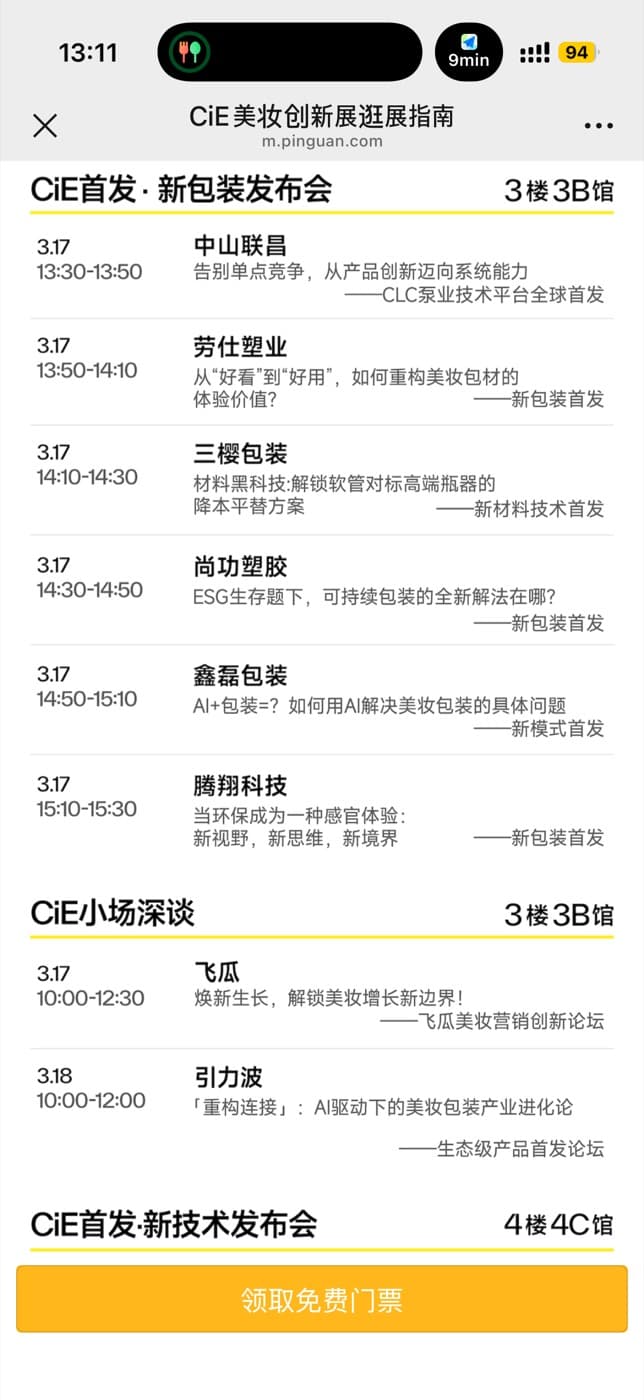
Packaging coverage from the expo focused on structure, materials, printing, sustainability, customized moulds, cost, production speed, and end-consumer behaviour. That makes packaging more than a container. It is the physical interface between formulation, brand promise, price position, logistics, and everyday use.
A useful UX reading of packaging looks at affordance, recognition, feedback, portability, accessibility, error prevention, information hierarchy, refill behaviour, and cultural symbolism. For a brand, the ecommerce page, packaging, QR layer, support journey, and social content should behave like one system rather than visually related but operationally disconnected touchpoints.


Distribution begins before launch
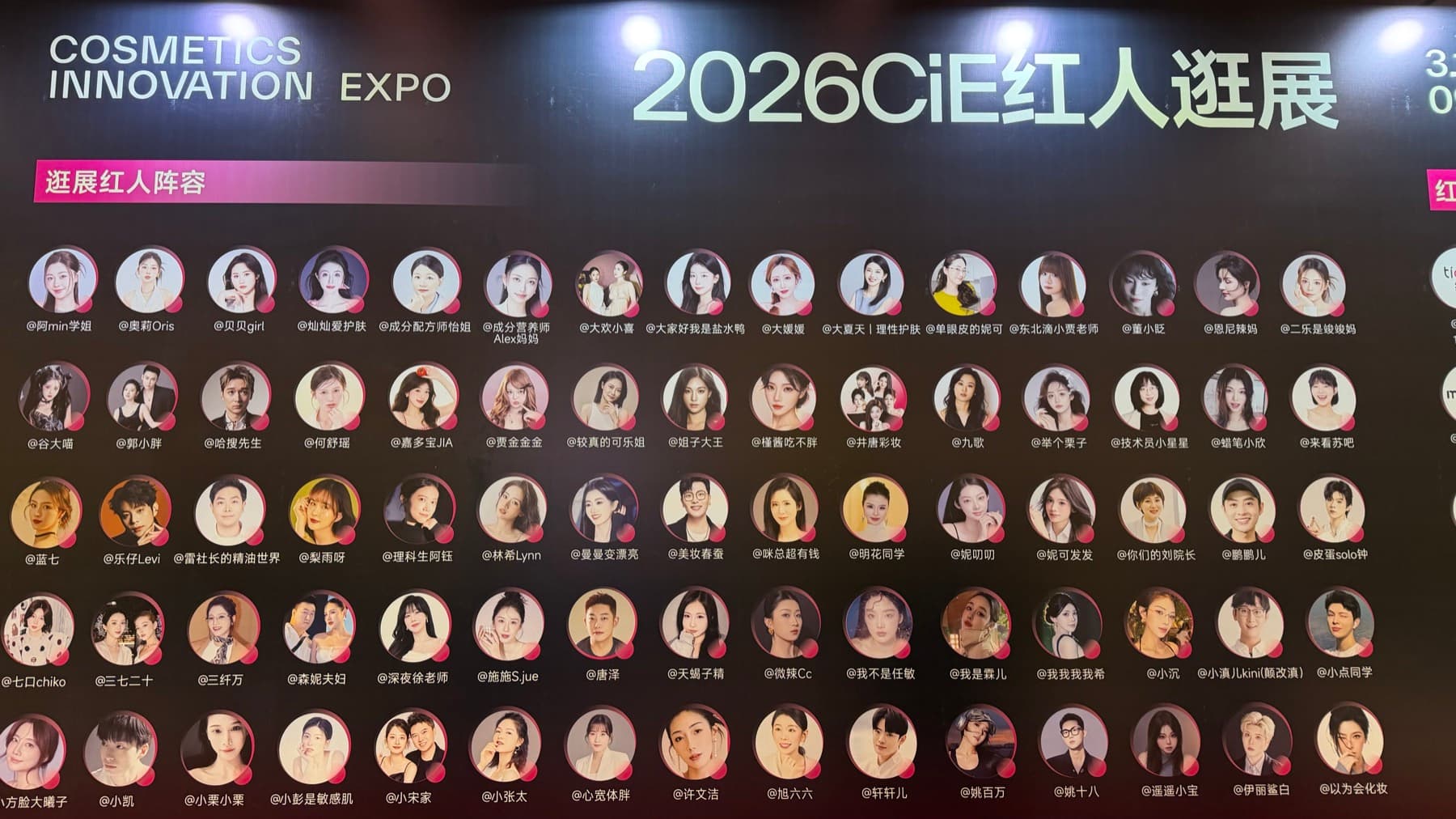
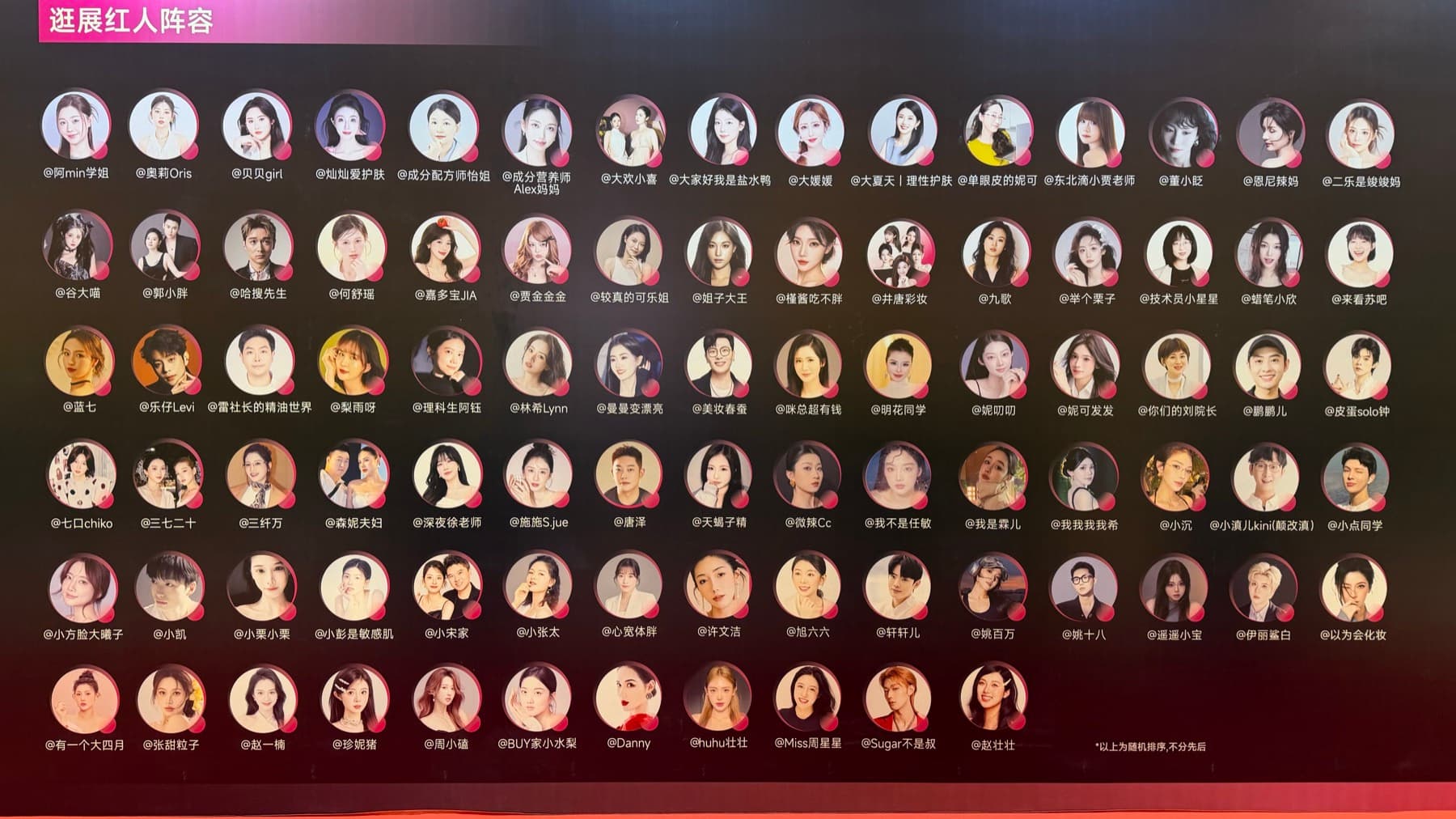
CiE was not only a place to show finished products. Buyer groups, creator participation, media coverage, livestreaming, and ecommerce channels were part of the launch environment. The route to the customer was visible inside the product conversation.
That is relevant to HAAM's work in localization and growth. In China and other platform-heavy markets, product, content format, creator narrative, payments, support habits, and channel constraints shape one another. International teams should not copy Chinese playbooks wholesale, but they should study how early distribution evidence changes product decisions.
What European teams can borrow
The lesson is not that European companies should imitate Chinese beauty brands. Cultural context, regulation, platform behaviour, trust cues, and buying habits all require adaptation. What is transferable is the operating logic: keep market signals close to product development, translate technical evidence into understandable experience, and design the route to the customer before the launch story is finished.
HAAM's role in this kind of work is to turn field signals into practical experiments. That can mean a localized ecommerce journey, a trust-focused product page, a platform-specific onboarding flow, an AI recommendation pattern with visible reasoning, or a design-system rule that connects physical, digital, and content behaviour.
Why this field note matters
Available coverage of CiE 2026 was extensive in Chinese media but largely promotional, while international coverage was limited and mostly descriptive. That leaves a useful gap for independent interpretation: what can product teams outside cosmetics learn from the way the ecosystem is structured?
This field note is not a claim that HAAM worked for CiE or its exhibitors. It is evidence of situated market research: observing how products, platforms, trust signals, and commercial systems behave in context, then translating those observations into decisions that international teams can test.
Photo notes
Evidence from the floor
Recommended reading
Read next
3 min read
AI Frontiers 2017 Field Note
A first-person field note from AI Frontiers 2017 in Santa Clara, before applied deep learning had fully settled into everyday product interfaces.
2 min read
When Distribution Beats Product: Audience Lessons From Elsa Figueira
A founder-led essay on audience empathy, channel fit, and why the right distribution model can outperform the more ambitious product build.
2 min read
The AI-Powered Web Experience Playbook for Modern Product Teams
A practical note on turning AI from a feature announcement into a web experience people can understand, trust, and actually use.