short documentaries
20The film archive records traditional therapists, agriculture, food, crafts, medicinal plants, and intergenerational knowledge on Príncipe.


Segredos da Floresta / Film + photography + environmental knowledge / Príncipe
Segredos da Floresta documents traditional knowledge on Príncipe as a public cultural and environmental record. Plant references sit beside 20 short documentaries and a large photographic field archive, keeping the people, gestures, places, and practices behind the knowledge visible.
Príncipe field archive
Knowledge lives in people, images, plants, and practiceDocument the living context, not only the record.
short documentaries
20The film archive records traditional therapists, agriculture, food, crafts, medicinal plants, and intergenerational knowledge on Príncipe.
field archive
PhotosA large photographic record documents people, materials, techniques, landscapes, plants, food, and endangered craft practices.
plant records
12The public directory connects medicinal plants with botanical classification, Portuguese names, and local naming systems.
portfolio year
2017The project became a public digital home for cultural memory, environmental knowledge, documentary work, and field research.
The premise
A plant record can preserve a name, classification, use, or precaution. A photograph can show the material, place, person, and gesture. A film can preserve voice, rhythm, sequence, explanation, and the relationship between generations. The project needed all three forms to keep the knowledge legible without stripping away its context.
That made the website more than a medicinal-plant directory. It became a public field archive where structured reference material, documentary film, photography, and attribution work together to preserve a living cultural and environmental record.
The interaction model
The opening explains why traditional plant knowledge matters and identifies the research and community context behind it.
Films and photographs show knowledge in use: gathering, preparing, massaging, cooking, farming, weaving, making pottery, and teaching younger generations.
Structured plant records make names and reference information findable after the human and visual context has been established.
Field documentation
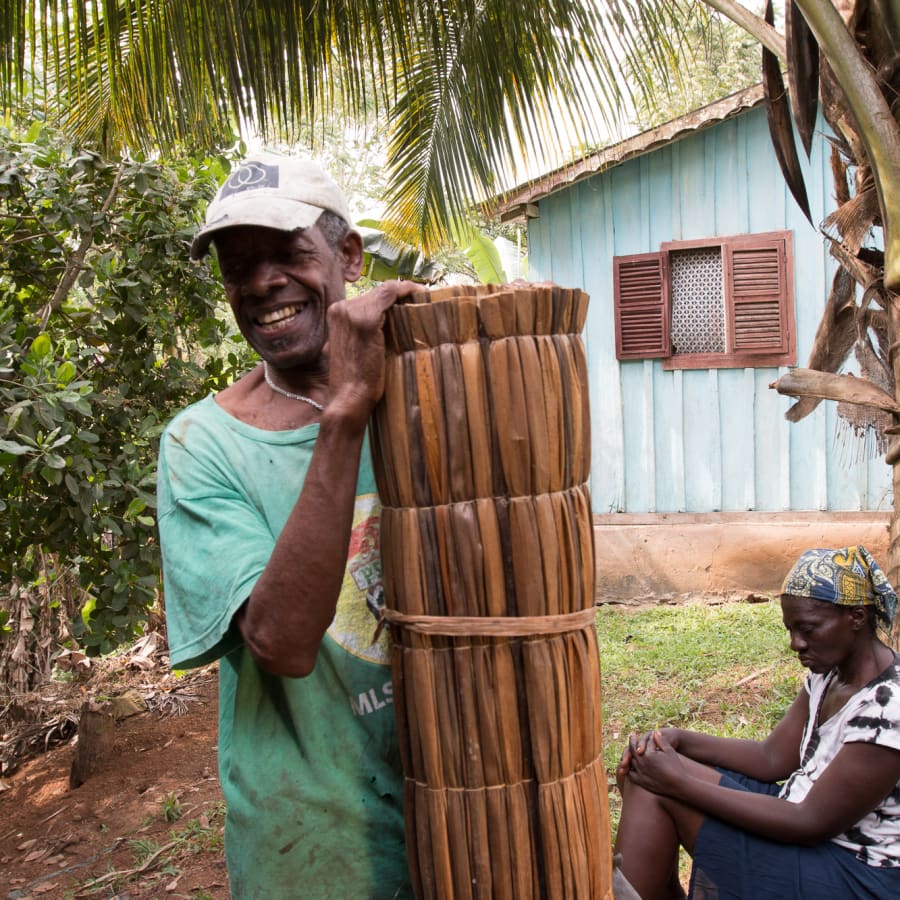
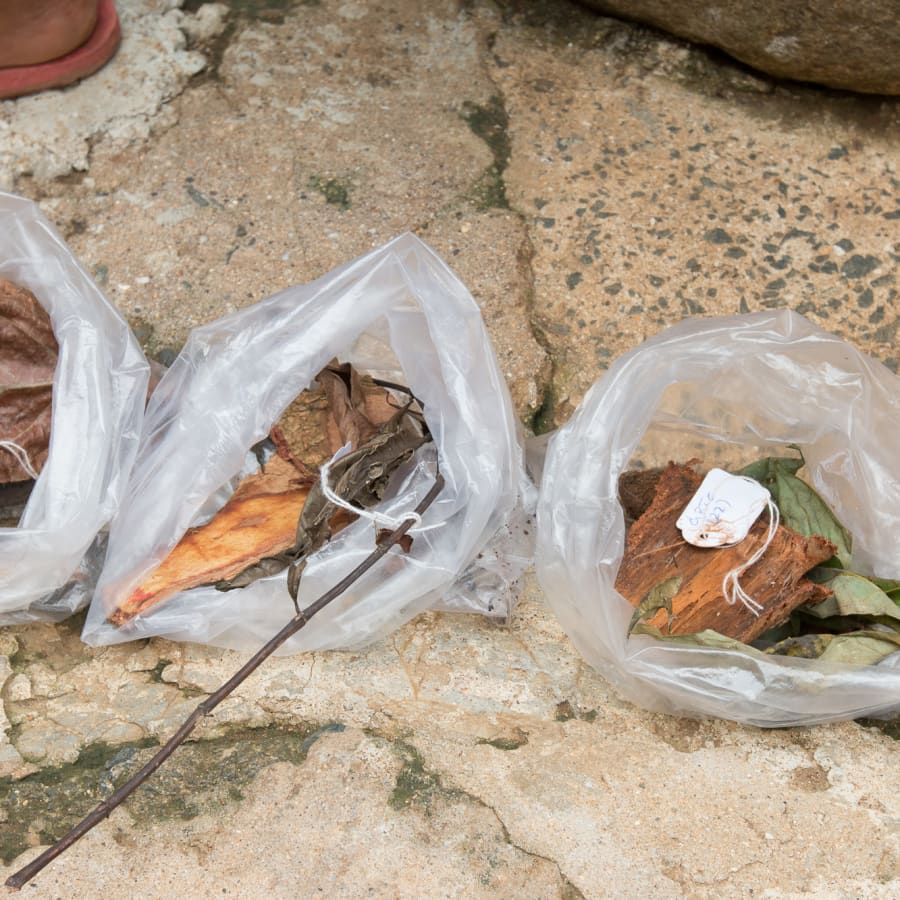
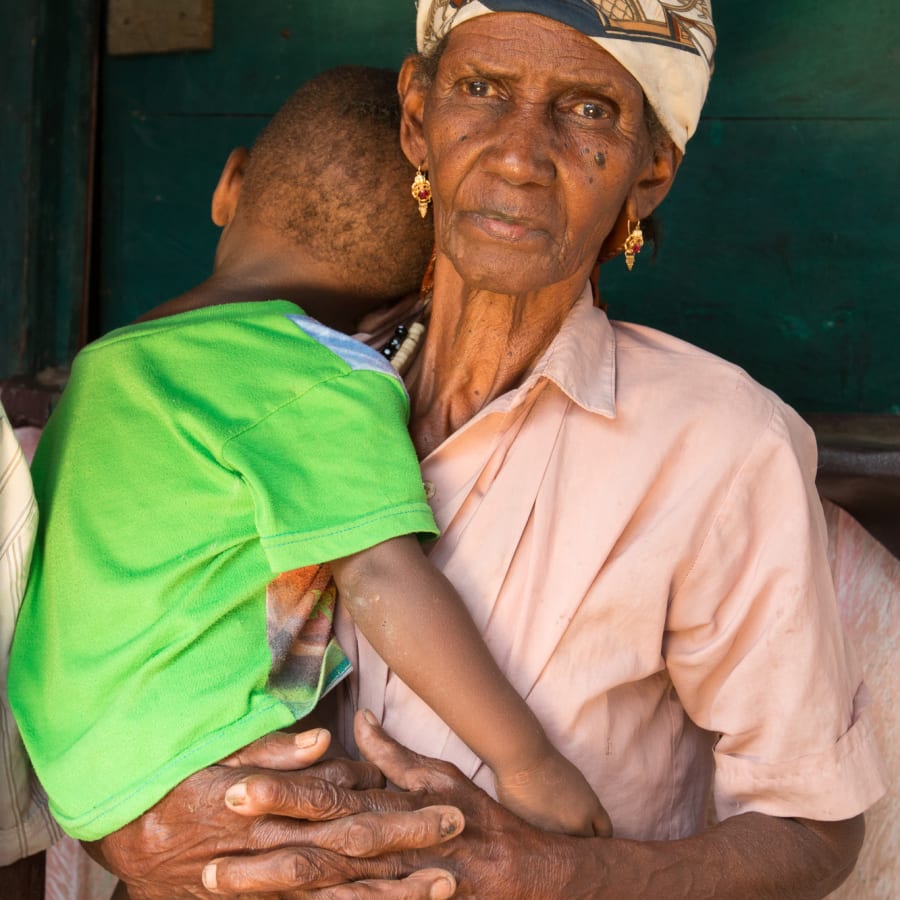
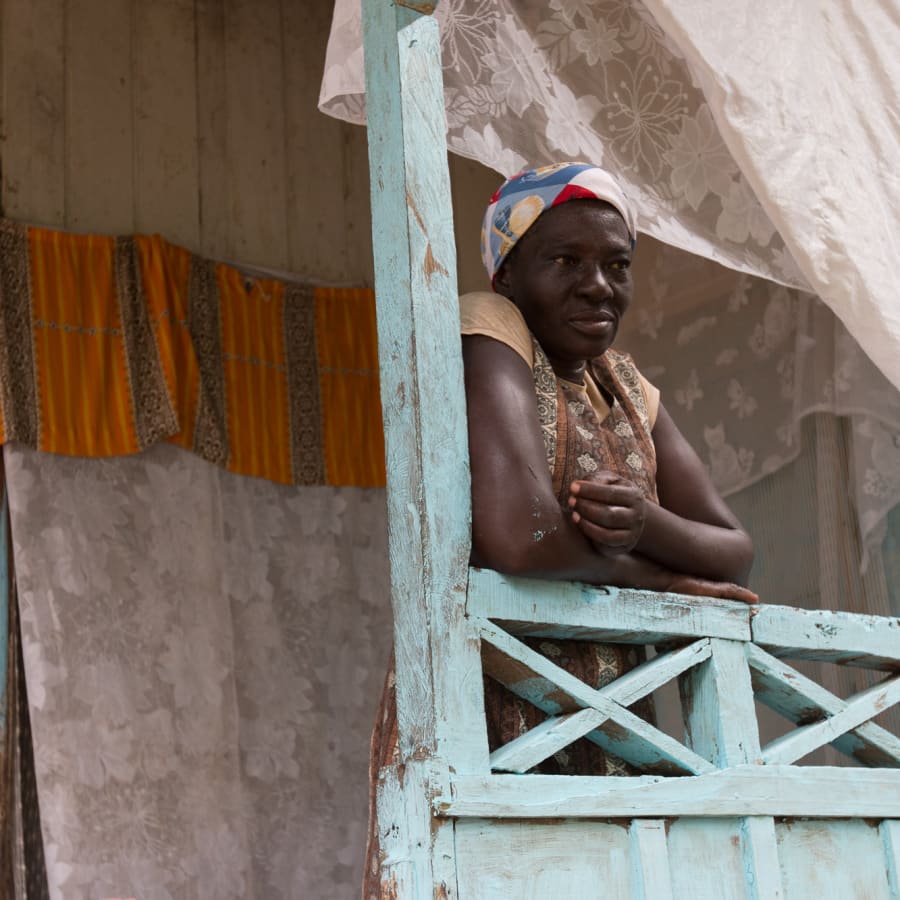
The documentaries and photographs carry forms of knowledge that text alone cannot hold. They preserve techniques, voices, environments, relationships, and physical details while making the project understandable to people who may never visit Príncipe.
Knowledge architecture
A scientific name may be useful to a researcher while a local name may be the only meaningful entry point for a resident. The structure makes those vocabularies coexist instead of forcing one to replace another.
Attribution and responsibility
The project identifies researchers, local organizations, traditional therapists, farmers, artisans, and other participants rather than presenting knowledge as anonymous content. That provenance is both an ethical choice and a trust layer.
What remains
The live project still holds a rare combination of structured plant knowledge, documentary interviews, process films, and field photography. Its value is in keeping the human context discoverable alongside the reference material.
Next product decision
Make the media archive easier to traverse and cross-reference.Connect films, photographs, people, practices, and plant records more directly so a visitor can move from one person or technique into every related part of the archive without losing attribution or context.
Project record
Segredos da Floresta combines field research with public digital presentation. The project archive preserves the people, images, films, plants, practices, organizations, and relationships that made the work possible.
Continue exploring
The field archive
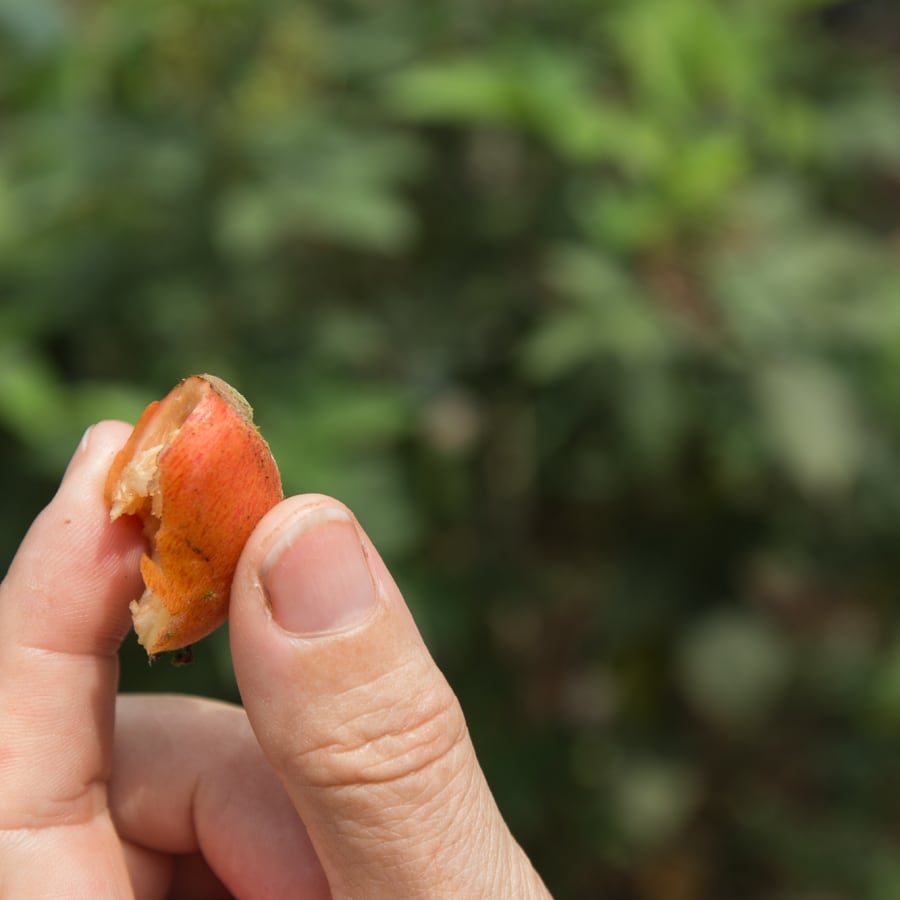
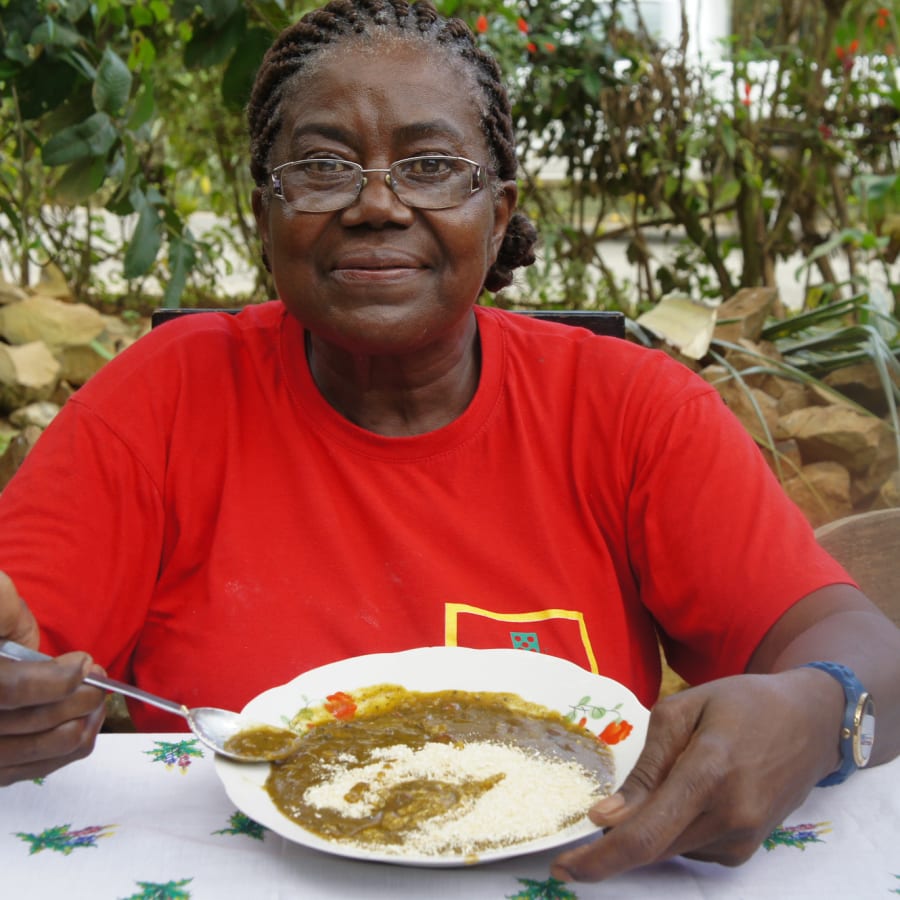
Segredos da Floresta includes 20 short documentaries and a large photographic record of the people, practices, plants, food, crafts, and landscapes behind the research. Those images are part of the knowledge itself: they show how something is gathered, prepared, taught, made, and remembered.
Documentary record
6 shown / 20 films in the archive
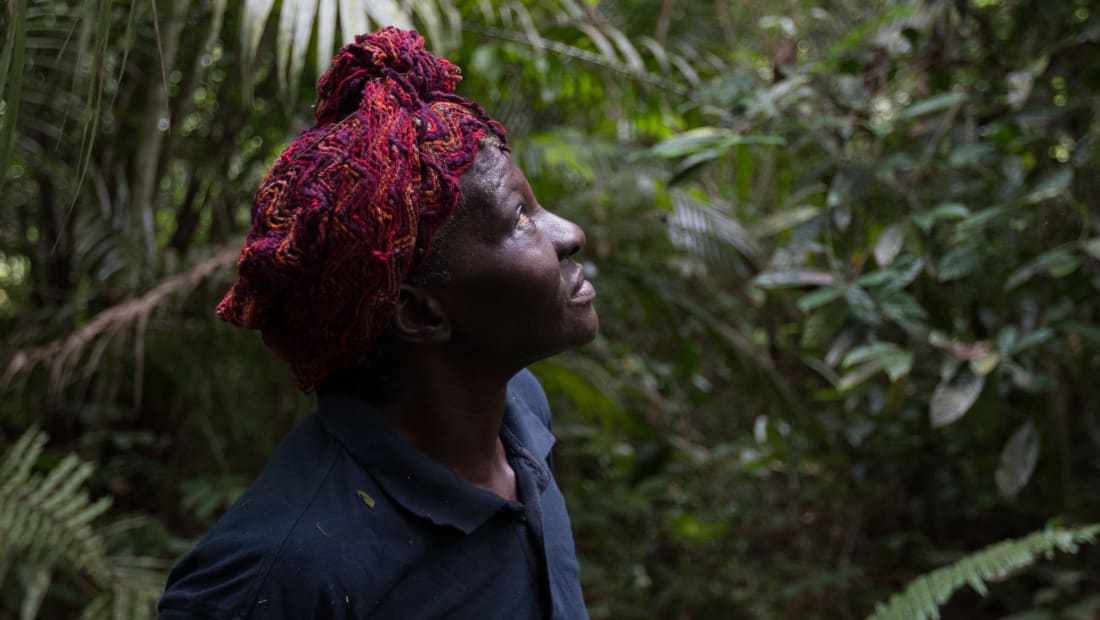
Veliciana Viana dos Prazeres (Samé Nuna)
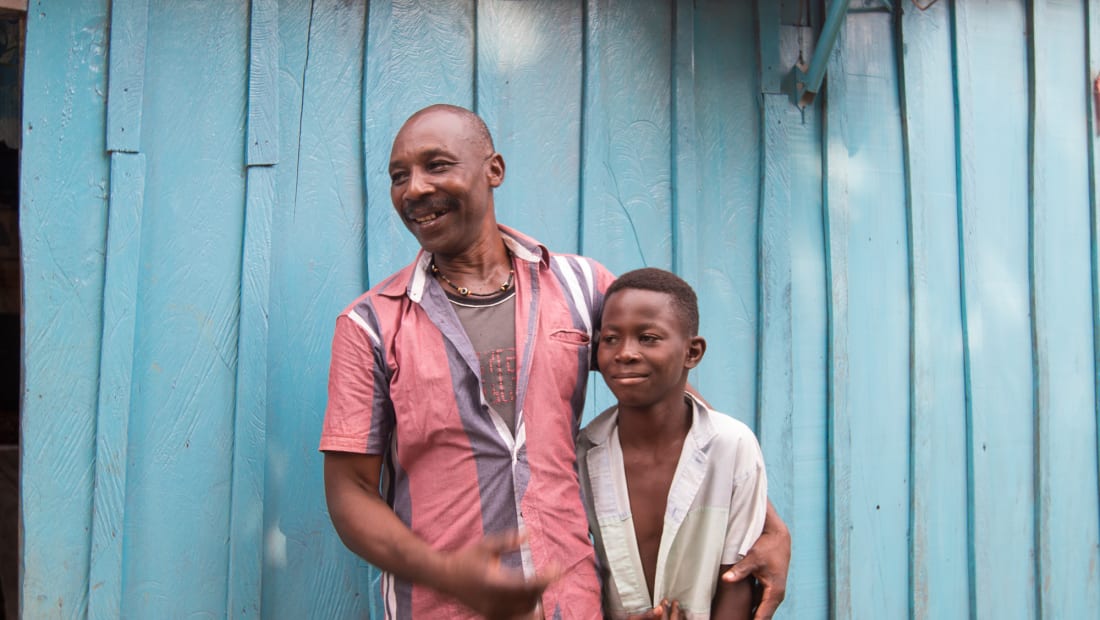
José Soares (Assunção)
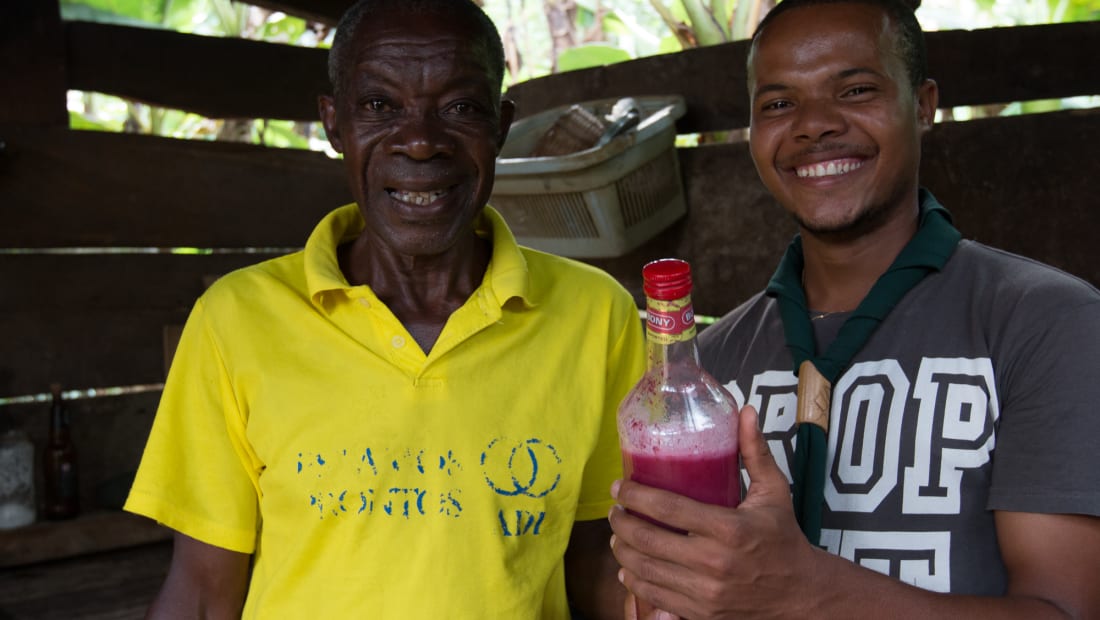
Cosme Quaresma da Costa (Sum Costa)
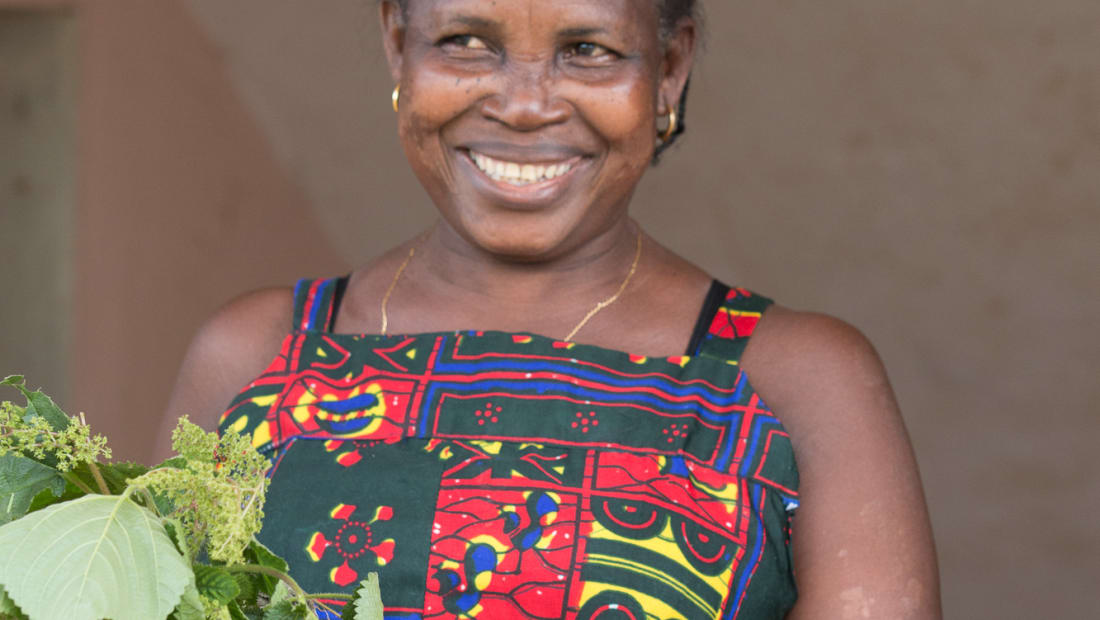
Terezinha Dias Macedo (Samé Terezinha)
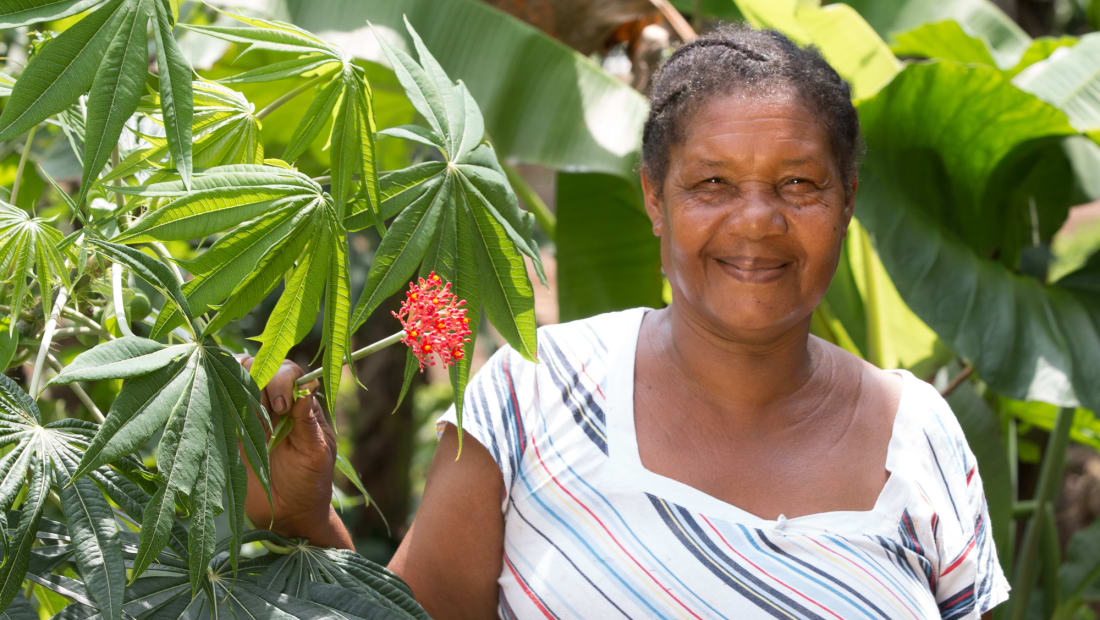
Adelaide da Conceição Carlos Eusébio
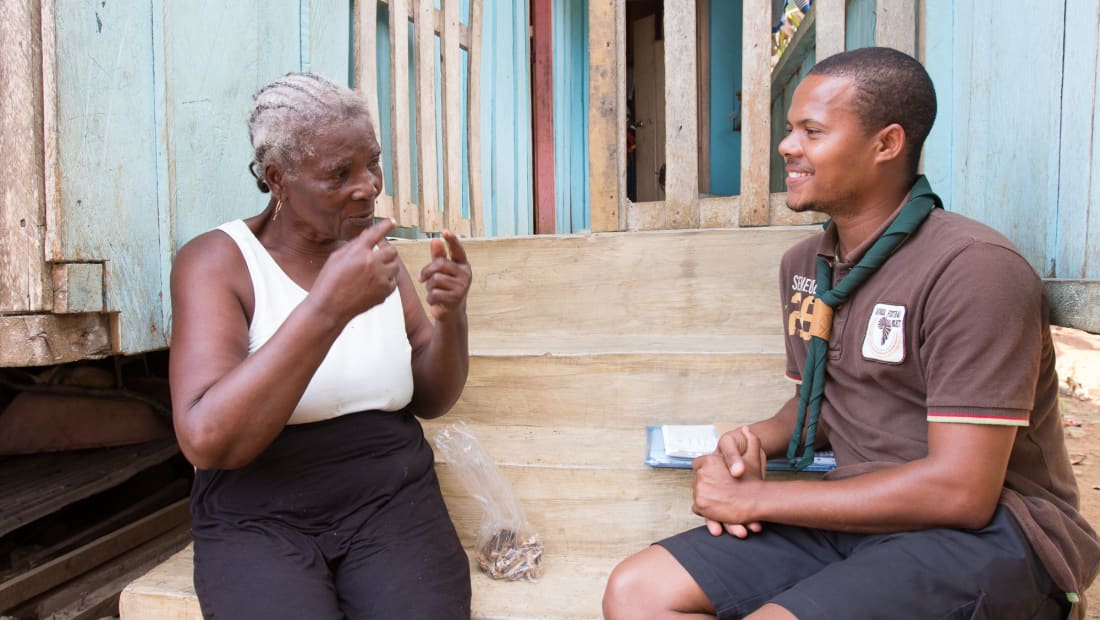
Maria dos Santos Pedronho (Samé Queia)
Photographic record
Selected photographs from the original archive
Continue exploring
How we learned
Research connected botanical classification with Portuguese and local names, photographs, uses, preparation context, precautions, and named knowledge sources. The aim was not to flatten different ways of knowing a plant into one anonymous database entry.
Evidence trail
Good interaction design should be traceable upstream. Depending on the project, that upstream work might be interviews, co-design, fieldwork, archive work, testing, analytics, or operations. Here is the shortest version of the chain from evidence to decision.
01
Twelve plant records connect botanical classification, Portuguese and local names, photographs, uses, preparation context, precautions, and named knowledge sources.
02
The same plant can be known through several vocabularies, and provenance is part of the trust layer rather than hidden metadata.
03
Use repeatable records, keep scientific and vernacular names together, and attach attribution and responsible-use context.
04
Local environmental knowledge becomes discoverable without flattening its sources into one anonymous database.
Optional analytics. Google Analytics and Clarity load only if allowed; form, email, and chat content are excluded.